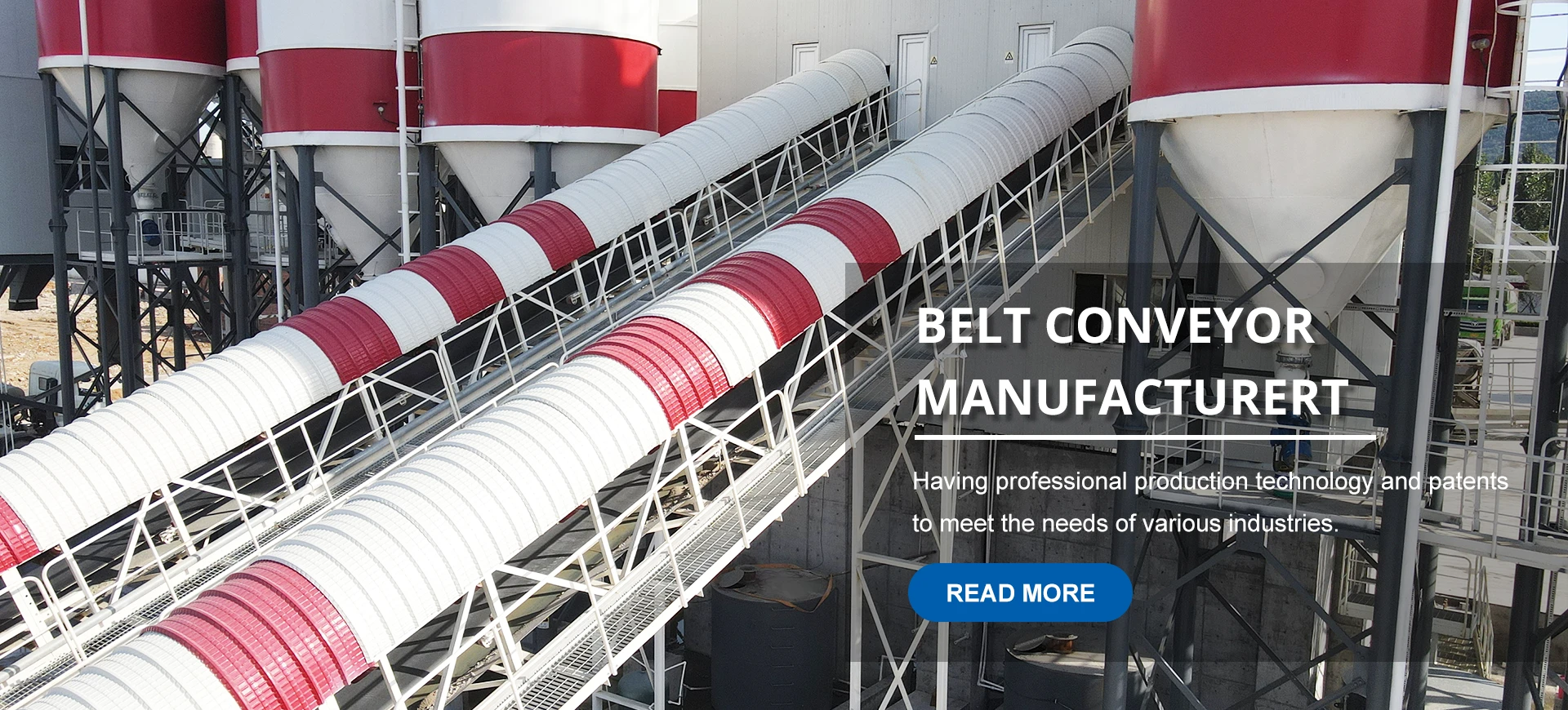
In industrial operations where bulk materials require efficient and reliable transportation across challenging terrains or steep inclines, the choice of conveying equipment is paramount. Among the various solutions, the heavy duty conveyor belt stands out as a foundational component for robust material handling systems. These specialized belts are engineered to withstand extreme conditions, handling substantial loads and abrasive materials with unmatched durability and operational efficiency. This comprehensive guide delves into the specifics of these essential industrial workhorses, with a particular focus on the innovative Large Angle Corrugated Edge Conveyor Belt, examining its technical prowess, application versatility, and the crucial factors for procurement. Industry Trends in Heavy Duty Conveyor Systems The global market for conveyor belts is experiencing significant growth, driven by expansion in mining, construction, manufacturing, and logistics sectors. Key trends shaping the future of heavy duty conveyor belt technology include: Enhanced Material Science: Development of new rubber compounds, fabrics, and steel cord reinforcements that offer superior abrasion resistance, tensile strength, and temperature resilience. This allows for longer service life and reduced maintenance in harsh environments. Energy Efficiency: Focus on designing belts and systems that minimize friction and optimize power consumption. This includes lighter yet stronger belt constructions and advanced drive systems. Smart Conveying Solutions: Integration of IoT sensors for real-time monitoring of belt health, tension, tracking, and load distribution. Predictive maintenance capabilities are becoming standard, reducing unexpected downtime. Sustainability: Growing demand for environmentally friendly materials and manufacturing processes, along with solutions for belt recycling and waste reduction. Increased Automation and Customization: Tailored solutions for specific material characteristics, environmental conditions, and operational requirements, leading to more efficient and safer material handling. Manufacturing Process of Heavy Duty Conveyor Belts The production of a robust heavy duty conveyor belt , particularly specialized types like the Large Angle Corrugated Edge Conveyor Belt, involves a meticulous, multi-stage process to ensure superior performance and longevity. This process adheres to stringent quality control and international standards such as ISO 9001 for quality management and relevant ANSI standards for material handling equipment. Key Process Steps: Raw Material Selection: High-grade rubber compounds (e.g., SBR, NBR, EPDM for specific resistance to abrasion, oil, or heat), high-strength synthetic fabrics (polyester, nylon, or aramid for textile belts), or steel cords (for steel cord belts) are selected based on the belt's intended application and operational stresses. For corrugated edge belts, specialized rubber compounds are chosen for flexibility and durability of the sidewalls and cleats. Fabric Preparation/Steel Cord Assembly: Textile plies are calendared with rubber. For steel cord belts, individual steel cords are precisely arranged and embedded within a rubber matrix, ensuring optimal tensile strength and load distribution. Compounding and Extrusion: Rubber compounds are carefully mixed with additives to achieve desired properties (e.g., tear resistance, flame retardation, weather resistance). The prepared rubber is then extruded or calendared into sheets for the cover and bottom layers. Ply Layup and Assembly: Multiple fabric plies (or the steel cord carcass) are layered together, with rubber layers in between, to form the belt carcass. For corrugated edge belts, the flat base belt is then prepared for the attachment of sidewalls and cleats. Sidewall and Cleat Forming & Attachment (for Large Angle Corrugated Edge Belts): Special extrusion and molding processes create the flexible corrugated sidewalls and various cleat profiles (e.g., T-type, C-type). These components are then precisely bonded to the base belt using advanced vulcanization techniques, ensuring a seamless and extremely strong connection capable of withstanding high tension and impact. Vulcanization: The entire assembly is placed into a large vulcanization press, where it undergoes heat and pressure treatment. This chemical process cross-links the rubber polymers, giving the belt its final elastic properties, strength, and durability. Finishing and Quality Control: After vulcanization, the belt is trimmed, inspected for any defects, and dimensional checks are performed. Rigorous testing for tensile strength, adhesion between plies, abrasion resistance, and flexibility ensures compliance with specified parameters and international standards. ISO 283 for textile conveyor belts and ISO 15236 for steel cord belts are commonly referenced. The average service life for a well-maintained heavy duty conveyor belt can range from 5 to 15 years, depending on the application severity, material conveyed, and operational environment. Target industries for such robust belts include mining (coal, ore, aggregates), quarrying, cement plants, steel mills, power generation, chemical processing, and port handling terminals. Advantages in these scenarios include energy saving through optimized material flow, superior corrosion resistance in harsh chemical environments, and significantly reduced material spillage. Technical Specifications: Large Angle Corrugated Edge Conveyor Belt The Large Angle Corrugated Edge Conveyor Belt is a prime example of a specialized heavy duty conveyor belt designed for steep incline conveying. Its unique construction allows for significant elevation changes over shorter distances, minimizing footprint and maximizing efficiency. The key to its performance lies in its flexible corrugated sidewalls and strategically placed cross cleats. Structural Components: Base Belt: The core strength of the belt, typically multi-ply fabric (EP or NN) or steel cord construction, engineered for high tensile strength and minimal elongation. Corrugated Sidewalls: Highly flexible, reinforced rubber sidewalls that prevent material spillage, even at angles up to 90 degrees. These are molded in a wave-like pattern to maintain flexibility. Transverse Cleats: Attached across the base belt, these cleats form pockets that hold material as it moves up steep inclines. They come in various shapes and heights (e.g., T, C, TC, TS, TCS) to accommodate different material characteristics and conveying angles. Key Parameters: Parameter Typical Range/Specification Notes Belt Width (B) 300mm - 2200mm Custom widths available. Sidewall Height (H) 40mm - 500mm Determines maximum conveying angle and capacity. Cleat Height (h) 35mm - 480mm Generally slightly less than sidewall height. Maximum Incline Angle Up to 90 degrees Dependent on cleat type, material, and belt speed. Base Belt Tensile Strength EP100 to EP6300 (N/mm) Higher values for heavier loads and longer distances. Cover Rubber Thickness Top: 3-10mm; Bottom: 1.5-6mm For abrasion resistance and impact protection. Material Type Standard, Abrasion Resistant, Heat Resistant, Oil Resistant, Flame Retardant Tailored to application environment. Operating Temperature -25°C to +80°C (Standard) Specific compounds for wider temperature ranges. Technical Advantages and Performance The Large Angle Corrugated Edge Conveyor Belt offers distinct advantages that make it a superior choice for many demanding applications: Space Optimization: Its ability to convey materials at steep angles (up to 90°) significantly reduces the required floor space, enabling more compact system designs and lowering infrastructure costs. This is particularly beneficial in urban areas or confined industrial spaces. High Conveying Capacity: The sidewalls and cleats create a bucket-like structure, allowing for greater volume of material per meter of belt compared to traditional flat belts, especially for bulk materials like coal, cement, grain, or sand. Reduced Spillage: The robust corrugated sidewalls prevent material from falling off the sides, ensuring a cleaner operation and minimizing material loss, which is crucial for valuable or hazardous materials. Versatility in Material Handling: Capable of handling a wide range of materials, from fine powders to large lumps, wet or dry, sticky or abrasive, making it suitable for diverse industries. Cost-Effectiveness: While the initial investment might be higher than standard flat belts, the long-term savings from reduced space requirements, lower maintenance due to robust construction, and minimized material loss often lead to a lower total cost of ownership (TCO). Enhanced Safety: Reduced spillage contributes to a safer working environment by minimizing slip hazards and dust generation. Application Scenarios The versatility of the Large Angle Corrugated Edge Conveyor Belt extends across numerous heavy industries: Mining and Quarrying: Ideal for transporting raw ores, coal, limestone, and aggregates up steep inclines from open pits or underground operations to processing plants. Its resilience to abrasive materials and harsh conditions makes it indispensable. Cement and Concrete Plants: Used for conveying clinker, cement, sand, and gravel, often at high temperatures and in dusty environments. The design minimizes dust emission during transport. Power Generation: Crucial for feeding coal or biomass fuels into power plant boilers, often requiring vertical or near-vertical lifts. Port and Terminal Operations: For efficient loading and unloading of ships with bulk goods like grains, fertilizers, and minerals, where space is often at a premium. An incline conveyor belt with corrugated edges can significantly speed up material transfer. Steel Mills and Foundries: Handling hot coke, iron ore, and other high-temperature materials, often requiring heat-resistant rubber compounds. Recycling and Waste Management: Transporting various types of waste, from construction debris to municipal solid waste, up to shredders or sorting facilities. Vendor Comparison and Selection Criteria When selecting a supplier for a heavy duty conveyor belt , particularly a specialized one like the Large Angle Corrugated Edge type, several critical factors must be considered to ensure optimal performance, reliability, and long-term value. A thorough vendor comparison goes beyond initial cost to encompass the total lifecycle value. Key Comparison Points: Criterion Leading Vendor (e.g., HG Conveyor Belt) Typical Industry Vendor Material Quality & Durability Premium-grade rubber compounds (ISO, DIN standards), high-strength EP/Steel cord carcass, superior cleat/sidewall adhesion. Longer operational lifespan (8-15 years). Standard-grade rubber, varying carcass quality. Shorter lifespan (5-10 years). Customization Capabilities Extensive engineering support for tailored belt widths, sidewall/cleat heights, rubber compounds (heat, oil, abrasion, flame resistant), and cleat patterns for specific applications. Limited customization to standard dimensions and material types. Certifications & Standards ISO 9001, CE, ATEX compliance (where applicable), adherence to ISO/DIN/ANSI material and performance standards. Demonstrable test data. Basic quality certifications, less stringent adherence to international performance standards. Technical Support & Expertise Dedicated technical sales and engineering teams, site visits, system design consultation, installation guidance, and training. Decades of industry experience. Standard product support, limited engineering consultation. Warranty & After-Sales Comprehensive warranty periods, readily available spare parts (e.g., cleat replacements), global service network, responsive troubleshooting. Standard warranty, potential delays in spare parts, localized support. Choosing a vendor with a strong reputation for engineering excellence, robust quality control, and comprehensive after-sales support ensures that your investment in a high-performance conveyor belt system delivers maximum return and operational continuity. Customized Solutions for Optimal Performance Every material handling operation presents a unique set of challenges and requirements. Recognizing this, leading manufacturers offer extensive customization options for their Large Angle Corrugated Edge Conveyor Belts. This ensures that the belt is perfectly matched to the specific demands of the application, maximizing efficiency and minimizing wear. Areas of Customization: Belt Dimensions: Tailored belt widths, sidewall heights, and cleat heights to precisely fit existing conveyor structures or optimize for specific throughput requirements. Rubber Compound Formulations: Custom compounds to withstand extreme conditions, including very high or low temperatures, oil and chemical exposure, severe abrasion, or specific flame retardation standards (e.g., for underground mining). Cleat Configurations: A variety of cleat shapes (T, C, TC, TS, TCS, etc.) and spacing can be specified to optimize material retention for different material sizes, shapes, and stickiness, as well as different incline angles. Carcass Construction: Choice between various fabric plies (e.g., EP200 to EP6300) or steel cord reinforcement, depending on the required tensile strength, impact resistance, and splice characteristics for the particular application. Integrated Features: Incorporation of rip detection systems, RFID tags for belt tracking, or specialized edge protectors for unique operational challenges. These customized solutions are developed through close collaboration between the client and the manufacturer's engineering team, often involving detailed site assessments and material analysis to ensure the perfect belt solution. Application Case Studies Case Study 1: High-Capacity Coal Transport in a Power Plant A major power generation company needed to replace an aging bucket elevator system that was prone to frequent breakdowns and high energy consumption. The challenge was to convey 1,500 tons per hour of crushed coal from a stockpile to a boiler house located 60 meters higher, within a restricted footprint. An incline conveyor belt with corrugated edges, specifically a Large Angle Corrugated Edge Conveyor Belt (EP800/4 ply, 1200mm width, 160mm sidewall, 150mm T-type cleats), was engineered. This system operates reliably at a 55-degree incline, effectively doubling the previous system's throughput while reducing power consumption by 30% due to lower friction and continuous flow. The client reported a significant decrease in maintenance costs and virtually eliminated spillage, leading to a cleaner and safer facility. This success underscored the belt's suitability for heavy duty conveyor belt applications. Case Study 2: Mineral Ore Handling in a Remote Mining Operation A copper mine in a mountainous region faced difficulties transporting coarse ore from the mine entrance to the primary crusher located at a higher elevation. Traditional conveyor systems required multiple transfer points and extensive civil works, complicating logistics and increasing capital expenditure. A customized Large Angle Corrugated Edge Conveyor Belt (steel cord reinforced, 1600mm width, 250mm sidewall, 240mm TC-type cleats) was implemented. This single belt system now transports ore at a 70-degree incline over a distance of 300 meters, eliminating two transfer points and reducing the overall conveyor length by 40%. The robust design of this heavy duty conveyor belt also proved highly resistant to the abrasive nature of the copper ore, with projected service life exceeding 10 years, even in the harsh desert climate. Trustworthiness: FAQ, Lead Time, Warranty & Support Frequently Asked Questions (FAQ) Q: What is the maximum angle of inclination for a Large Angle Corrugated Edge Conveyor Belt? A: These belts can convey materials at angles up to 90 degrees, effectively achieving vertical lifts, depending on the material's characteristics and cleat configuration. Typical operational angles range from 30 to 75 degrees. Q: How do these belts compare to bucket elevators in terms of efficiency and maintenance? A: Large Angle Corrugated Edge Conveyor Belts offer continuous material flow, which is generally more energy-efficient than the batch-style operation of bucket elevators. They also typically have fewer moving parts, leading to lower maintenance requirements and reduced downtime. Spillage is also significantly minimized. Q: Can these belts handle different types of materials, including fine powders and large lumps? A: Yes, with appropriate cleat selection and belt width, they are highly versatile. The sidewalls prevent fine powders from escaping, while the strong cleats can handle large, heavy lumps without issue. Custom rubber compounds can also be specified for sticky or abrasive materials. Lead Time and Fulfillment Standard heavy duty conveyor belt configurations typically have a lead time of 4-6 weeks from order confirmation to shipment. For highly customized Large Angle Corrugated Edge Conveyor Belts, lead times may extend to 8-12 weeks, depending on the complexity of design, material sourcing, and production queue. We maintain strong relationships with logistics partners to ensure timely and secure global delivery. Expedited options are available for urgent requirements, subject to project scope and material availability. Warranty Commitments Our Large Angle Corrugated Edge Conveyor Belts are backed by a comprehensive warranty of 1 to 3 years, depending on the specific product line and application. This warranty covers manufacturing defects and material failures under normal operating conditions. Full warranty terms and conditions are provided with each quotation, underscoring our confidence in product quality and longevity. Customer Support and After-Sales Service We are committed to providing exceptional customer support throughout the entire lifecycle of your conveyor system. Our services include: Technical Consultation: Expert advice on belt selection, system design, and optimization. Installation Support: On-site supervision or detailed guidelines for correct belt installation and splicing. Maintenance Training: Programs to educate client staff on proper maintenance procedures to maximize belt life. Spare Parts Availability: Readily available replacement components, including cleats and splicing materials. Responsive Troubleshooting: A dedicated support team available for quick resolution of operational issues. Conclusion The Large Angle Corrugated Edge Conveyor Belt represents a pinnacle in material handling technology, offering unparalleled efficiency, space-saving capabilities, and reliability for demanding industrial applications. As industries continue to evolve, requiring more robust and sustainable solutions, the engineering advancements in these heavy duty conveyor belt systems will remain critical. By prioritizing quality materials, precise manufacturing, and dedicated customer support, businesses can leverage these specialized belts to optimize their operations, reduce costs, and enhance safety, ensuring a competitive edge in an ever-challenging global landscape. References ISO 9001: Quality management systems – Requirements. International Organization for Standardization. ISO 283: Conveyor belts – Full thickness tensile strength, elongation at break and adhesion between constituents – Test methods. International Organization for Standardization. ISO 15236: Steel cord conveyor belts – Specifications and test methods. International Organization for Standardization. DIN 22102: Conveyor Belts for General Use. Deutsches Institut für Normung. CEMA (Conveyor Equipment Manufacturers Association) standards and publications for bulk material handling.